western countries
US
・UK
B1
n. pl.Noun (plural)Countries generally located in Europe and North America, characterized by democratic governments and capitalist economies.
Many western countries have strong economies.
n. pl.Noun (plural)Nations that share similar cultural values, including individualism, secularism, and a focus on human rights.
Western countries often value individual freedoms.
Video subtitles
Things Poland has but Taiwan doesn't!
- but lots of Western countries
but lots of Western countries
- but lots of Western countries
but lots of Western countries
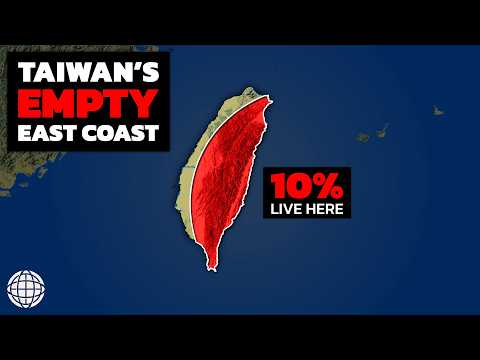
Why Taiwan's East Coast Is Basically Empty
- It's not actually recognized as an independent state and this has a lot to do with how and why Taiwan was settled by China and One of the most important things to remember in this story is that the island has been home to indigenous peoples for thousands of years These people are not directly related to the Chinese In fact, they are Austronesian speaking groups who arrived along the same migration patterns as New Zealand, Polynesia Hawaii and Indonesia these indigenous groups developed distinct cultures and lived in scattered communities Primarily in the mountainous interior and along the coasts their presence remains a significant part of Taiwan's identity today Though they make up only about 2% of the population or about 600,000 people So in a way Taiwan is as much of a colonized country as many parts of the Western Hemisphere But let's get back to how modern Taiwan was established the earliest mentions of Taiwan interacting with China begin around the year 230 when military troops from the Eastern Wu Kingdom of China's Three kingdoms period landed on its shores though There is some debate on whether this was actually Taiwan that they landed on or not Various reports would include some mention of Taiwan albeit under different names for the next 1,400 years During the 1600s Taiwan became a contested territory the Dutch established a colony in the south the Spanish briefly held territory in the north and Chinese settlers mostly from Fujian province Gradually moved on to the island the Dutch were eventually expelled by Koxinga a Ming loyalist who used Taiwan as a base of resistance against the Qing Dynasty however his rule was short-lived as Qing forces took control of Taiwan in 1683 and Incorporated it into their Empire for over two centuries Taiwan remained under Qing rule though its position on the Empire's periphery meant it was often overlooked this changed in 1895 when the Qing were forced to cede Taiwan to Japan after their defeat in the first Sino-Japanese war the Japanese brought Modernization to the island building infrastructure railways and industry while also implementing strict colonial rule Though resistance existed Japan's influence reshaped Taiwan leaving a legacy that persists in aspects of its architecture education and economy after Japan's defeat in World War two Taiwan was handed back to China in 1945 and this proved to be very lucky for the Taiwan that exists today While remaining as a backwater through much of China's history Taiwan would eventually occupy a prominent place in the Chinese Civil War which had begun in the late 1920s The Nationalist Republic of China government under Chiang Kai-shek fought against the communist forces led by Mao Zedong despite initial advantages the Nationalists suffered a series of devastating defeats due to poor leadership corruption and dwindling public support by 1949 the communists had gained control of mainland China Forcing the Nationalist government to retreat to Taiwan Chiang Kai-shek and his followers established their base on the island bringing with them millions of refugees military forces and much of China's cultural and financial wealth at the time though the Nationalist government continued to claim sovereignty over all of China its control was Effectively limited to Taiwan and a few offshore islands It was during this period that saw much of the Western world namely the United States Canada and Western Europe aligned with Taiwan and recognized it as a country leaving mainland China as a global outsider however between 1950 and 1971 this recognition gradually eroded as Western countries sought to recognize mainland China as the sole China in order to establish trade with the much larger economic base and Because mainland China still claimed ownership of Taiwan it mandated that no country could recognize Taiwan as an independent country Despite the fact that it is independent for all intents and purposes This isolated Taiwan from global diplomacy, but not from global trade despite its diplomatic isolation Taiwan's economy surged in the late 1900s transforming from an agrarian society into a global industrial and technological powerhouse Democratic reforms began in the late 1980s culminating in the first direct presidential election in 1996 since then Taiwan has functioned as a democratic society distinct from mainland China Despite Beijing's continued claims over the island which leads us to today's population divide Hey, sorry for the interruption.
It's not actually recognized as an independent state and this has a lot to do with how and why Taiwan was settled by China and One of the most important things to remember in this story is that the island has been home to indigenous peoples for thousands of years These people are not directly related to the Chinese In fact, they are Austronesian speaking groups who arrived along the same migration patterns as New Zealand, Polynesia Hawaii and Indonesia these indigenous groups developed distinct cultures and lived in scattered communities Primarily in the mountainous interior and along the coasts their presence remains a significant part of Taiwan's identity today Though they make up only about 2% of the population or about 600,000 people So in a way Taiwan is as much of a colonized country as many parts of the Western Hemisphere But let's get back to how modern Taiwan was established the earliest mentions of Taiwan interacting with China begin around the year 230 when military troops from the Eastern Wu Kingdom of China's Three kingdoms period landed on its shores though There is some debate on whether this was actually Taiwan that they landed on or not Various reports would include some mention of Taiwan albeit under different names for the next 1,400 years During the 1600s Taiwan became a contested territory the Dutch established a colony in the south the Spanish briefly held territory in the north and Chinese settlers mostly from Fujian province Gradually moved on to the island the Dutch were eventually expelled by Koxinga a Ming loyalist who used Taiwan as a base of resistance against the Qing Dynasty however his rule was short-lived as Qing forces took control of Taiwan in 1683 and Incorporated it into their Empire for over two centuries Taiwan remained under Qing rule though its position on the Empire's periphery meant it was often overlooked this changed in 1895 when the Qing were forced to cede Taiwan to Japan after their defeat in the first Sino-Japanese war the Japanese brought Modernization to the island building infrastructure railways and industry while also implementing strict colonial rule Though resistance existed Japan's influence reshaped Taiwan leaving a legacy that persists in aspects of its architecture education and economy after Japan's defeat in World War two Taiwan was handed back to China in 1945 and this proved to be very lucky for the Taiwan that exists today While remaining as a backwater through much of China's history Taiwan would eventually occupy a prominent place in the Chinese Civil War which had begun in the late 1920s The Nationalist Republic of China government under Chiang Kai-shek fought against the communist forces led by Mao Zedong despite initial advantages the Nationalists suffered a series of devastating defeats due to poor leadership corruption and dwindling public support by 1949 the communists had gained control of mainland China Forcing the Nationalist government to retreat to Taiwan Chiang Kai-shek and his followers established their base on the island bringing with them millions of refugees military forces and much of China's cultural and financial wealth at the time though the Nationalist government continued to claim sovereignty over all of China its control was Effectively limited to Taiwan and a few offshore islands It was during this period that saw much of the Western world namely the United States Canada and Western Europe aligned with Taiwan and recognized it as a country leaving mainland China as a global outsider however between 1950 and 1971 this recognition gradually eroded as Western countries sought to recognize mainland China as the sole China in order to establish trade with the much larger economic base and Because mainland China still claimed ownership of Taiwan it mandated that no country could recognize Taiwan as an independent country Despite the fact that it is independent for all intents and purposes This isolated Taiwan from global diplomacy, but not from global trade despite its diplomatic isolation Taiwan's economy surged in the late 1900s transforming from an agrarian society into a global industrial and technological powerhouse Democratic reforms began in the late 1980s culminating in the first direct presidential election in 1996 since then Taiwan has functioned as a democratic society distinct from mainland China Despite Beijing's continued claims over the island which leads us to today's population divide Hey, sorry for the interruption.
- However, between 1950 and 1971, this recognition gradually eroded as western countries sought to recognize mainland China as the sole China in order to establish trade with the much larger economic base.
However, between 1950 and 1971, this recognition gradually eroded as western countries sought to recognize mainland China as the sole China in order to establish trade with the much larger economic base.
South Korea Is Everything Wrong With Society

- As over 97% of the country is interconnected online, social media use is also somehow much higher than in Western countries, as 92% of South Koreans now use social media in some way, with the average user spending over an hour on it every day.
As over 97% of the country is interconnected online, social media use is also somehow much higher than in Western countries, as 92% of South Koreans now use social media in some way, with the average user spending over an hour on it every day.
- Social media use is also somehow much higher than in Western countries, as 92% of South Koreans now use social media in some way, with the average user spending over an hour on it every day.
Social media use is also somehow much higher than in Western countries, as 92% of South Koreans now use social media in some way, with the average user spending over an hour on it every day.
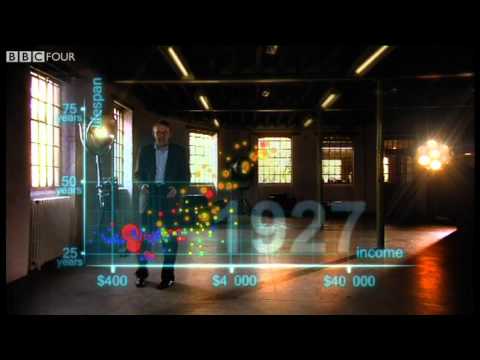
Hans Rosling's 200 Countries, 200 Years, 4 Minutes - The Joy of Stats!
- And eventually the Western countries get healthier and healthier,
And eventually the Western countries get healthier and healthier,
- and in spite of the Great Depression, Western countries forge on towards greater wealth and health.
and in spite of the Great Depression, Western countries forge on towards greater wealth and health.
Divorce: Why are fewer marriages ending? - The Global Story podcast, BBC World Service

- They say that breaking up is hard to do, and that seems to be particularly true in many Western countries, where divorce rates have been steadily falling for the last few decades.
They say that breaking up is hard to do, and that seems to be particularly true in many Western countries, where divorce rates have been steadily falling for the last few decades.
- They say that breaking up is hard to do, and that seems to be particularly true in many Western countries where divorce rates have been steadily falling for the last few decades.
They say that breaking up is hard to do, and that seems to be particularly true in many Western countries where divorce rates have been steadily falling for the last few decades.
The real problem with Palm Oil.

- And this massive terraforming endeavor is all happening to satisfy demand from western countries
And this massive terraforming endeavor is all happening to satisfy demand from western countries
- In this massive, terraforming endeavor, is all happening to satisfy demand from Western countries hooked on palm oil's ability to replace more costly alternatives in products spanning from shampoos to pizza doughs.
In this massive, terraforming endeavor, is all happening to satisfy demand from Western countries hooked on palm oil's ability to replace more costly alternatives in products spanning from shampoos to pizza doughs.
Is Australia Being Racist Against Chinese?
- In the coming months, there will be a lot more coming out about the Chinese Communist Party's attempts to influence Western countries.
In the coming months, there will be a lot more coming out about the Chinese Communist Party's attempts to influence Western countries.
- attempts to influence Western countries.
attempts to influence Western countries.
What's in a US Senate draft bill to impose stiff sanctions on Russia and its trading partners?
- So Western countries are very much dependent on Russian uranium and it has been untouched by sanctions so far.
So Western countries are very much dependent on Russian uranium and it has been untouched by sanctions so far.
- So Western countries are very much dependent on Russian uranium, and it has been untouched by sanctions so far.
So Western countries are very much dependent on Russian uranium, and it has been untouched by sanctions so far.
BRICS Plan to KILL The Dollar
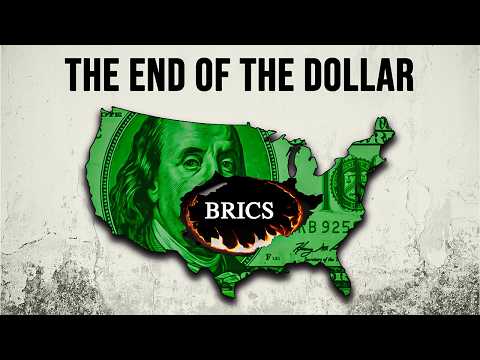
- He wanted to draw attention to the countries that recently adopted capitalism and he made a prediction that geographically, these countries are far bigger than western countries and over time they can overtake the United States and the European Union as the world's largest economies.
He wanted to draw attention to the countries that recently adopted capitalism and he made a prediction that geographically, these countries are far bigger than western countries and over time they can overtake the United States and the European Union as the world's largest economies.
- and he made a prediction that geographically these countries are far bigger than Western countries,
and he made a prediction that geographically these countries are far bigger than Western countries,
Will the US directly participate in Israel's campaign against Iran? | DW News

- This is a preventive not preemptive preventive action by Israel But the the thing Israel wanted to prevent was a nuclear deal that Trump could say Okay to and that Israel didn't like now are there risks for Western countries to join in the in the operation?
This is a preventive not preemptive preventive action by Israel But the the thing Israel wanted to prevent was a nuclear deal that Trump could say Okay to and that Israel didn't like now are there risks for Western countries to join in the in the operation?
- So it is a deep violation of international law so that's a risk in terms of reputation and coherence given that the the Western countries tend to be pretty supportive at work in words of International law and the other risk is we really don't know how this is going to unfold There is okay There is the the outcome of an Israeli victory But there is also an outcome of a protracted conflict and further instability in the region.
So it is a deep violation of international law so that's a risk in terms of reputation and coherence given that the the Western countries tend to be pretty supportive at work in words of International law and the other risk is we really don't know how this is going to unfold There is okay There is the the outcome of an Israeli victory But there is also an outcome of a protracted conflict and further instability in the region.